
Omix vs Endel: Which Adaptive Music App Helps You Work?
Both Omix and Endel create adaptive soundscapes, but they're built for completely different use cases. Here's which one is better for deep work and focus.
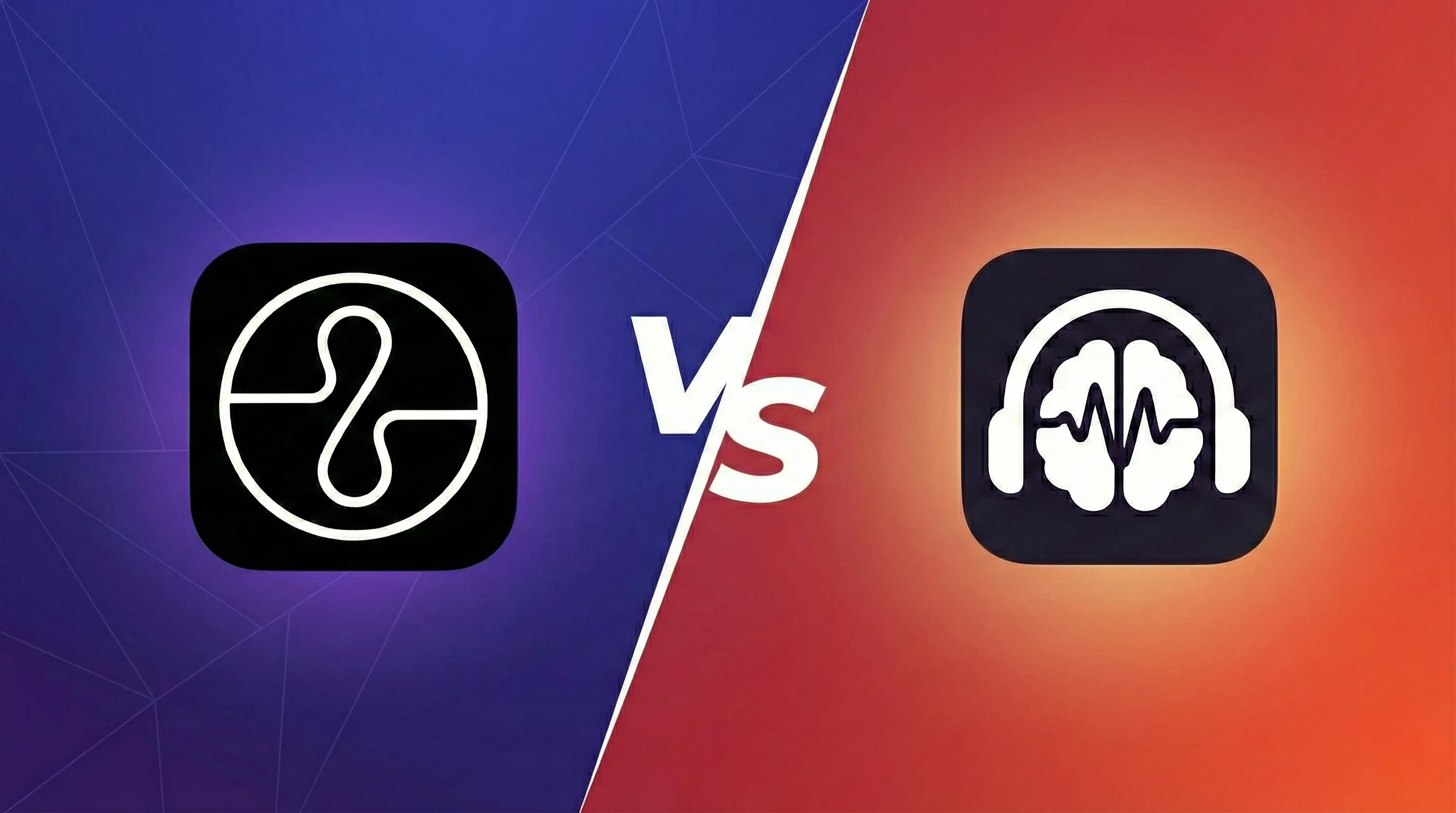
Omix and Endel both call themselves "adaptive" music apps. But if you line them up side by side, they're solving different problems for different people. Endel adapts to your environment: time of day, weather, heart rate. Omix adapts to your work: what you're actually doing at your desk.
That distinction matters.
The fundamental split: wellness vs. productivity
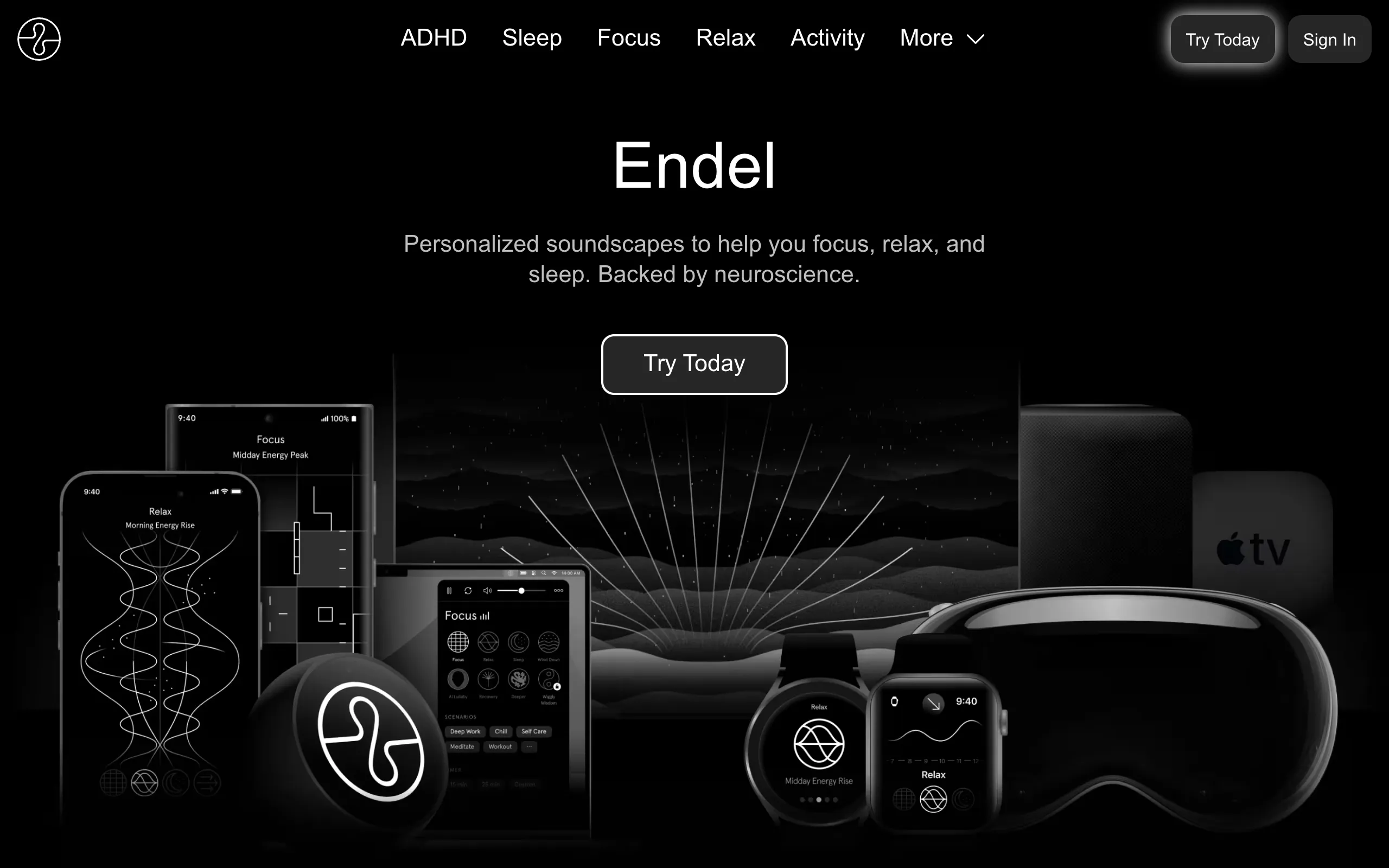
Endel is a wellness platform that happens to include a focus mode. It generates soundscapes based on your circadian rhythm, local weather, heart rate (via Apple Watch), and time of day. The core product spans focus, relaxation, sleep, and movement modes. It's backed by $22M+ in VC funding and has partnerships with artists like Grimes and James Blake.
Omix is a productivity tool, full stop. It monitors your keyboard and mouse activity and adjusts music in real-time to match your work intensity. When you're in the zone, the music builds. When you step away, it fades. There's no sleep mode, no movement mode, no weather integration. It does one thing: help you focus at your desk. And it does that deeply.
If you want an all-day ambient companion across your entire life, Endel covers more ground. If you want something specifically tuned to make your work sessions more productive, that's what Omix was built for.
How the "adaptation" actually works
Endel's inputs: Time of day, weather conditions, heart rate (if you have an Apple Watch), motion data. These are passive environmental signals. Endel doesn't know whether you're writing code, scrolling Twitter, or staring at the ceiling. It knows it's 2 PM, cloudy, and your heart rate is 72 bpm.
Omix's inputs: Keyboard velocity, mouse movement, active application, typing patterns. These are direct behavioral signals. Omix knows when you're in a flow state because it can see you typing steadily for 20 minutes. It knows when you've paused because the input stopped.
The practical difference: Endel might play the same soundscape whether you're crushing a deadline or procrastinating. Omix won't. The music literally responds to what you're doing.
Platform availability
Endel is everywhere: iOS, Android, Mac, Windows, the web, Apple Watch, Apple TV, and Alexa. It's designed as a lifestyle app you carry across devices.
Omix is Mac and Windows only. Desktop-first by design, because activity monitoring requires a desktop OS. This is a limitation if you want mobile support, and a feature if you believe deep work happens at a desk.
Pricing comparison
Endel: $6.99/month, $39.99/year, or $249.99 for lifetime access on Endel's website (as of September 2026). App Store prices differ. The yearly plan comes with a 7-day free trial, and a free tier plays the Focus, Sleep, Relax, and Move soundscapes in sessions of up to 10 minutes.
Omix: $7.99/month, $59/year, or $119 one-time for lifetime access (limited to first 100 purchasers). 7-day free trial on all plans, no credit card required.
Worth noting: Endel's VC-funded model means it can offer lower entry pricing, but the long-term trajectory of a VC-backed subscription model is unpredictable. Omix is indie-built and self-funded, which usually means more predictable pricing.
Music style
Endel generates tonal, ambient soundscapes. They're pleasant but intentionally minimal, closer to background texture than music. The artist collaborations (Grimes, James Blake) add variety, but the core experience is algorithmic ambience.
Omix leans into actual musical genres: deep house, jazz fusion, lofi, post-rock, dark techno, ambient. Each genre layers dynamically based on your activity level. At low activity you get sparse ambient. At peak flow you get full compositions with bass, drums, and melody. It's closer to "music that reacts to you" than "ambient noise that changes with the weather."
The ADHD perspective
Both apps attract users with ADHD, but the mechanisms differ.
Endel provides consistent, low-stimulation audio that reduces environmental chaos. Good for sensory overwhelm.
Omix provides variable stimulation tied to your behavior. The music building as you work creates a feedback loop: your brain gets rewarded for staying engaged. For ADHD users who need external accountability cues, Omix acts like a subtle body double that responds to your focus in real-time.
Neither is universally "better" for ADHD. It depends on whether your challenge is sensory overwhelm (Endel might help more) or maintaining engagement (Omix might help more).
Focus tracking
Endel has a "Focus" mode but doesn't provide detailed analytics about your work patterns.
Omix includes built-in focus tracking: daily and weekly summaries, per-app productivity breakdowns, peak hours identification. You get data about when and how you focus best, not just a soundscape to focus to.
The bottom line
Choose Endel if:
- You want adaptive audio across your entire day (focus, sleep, movement)
- You already use Apple Watch and want biometric integration
- You prefer minimal ambient soundscapes over music
- You need mobile/wearable support
- You're looking for a wellness tool that includes focus features
Choose Omix if:
- Your primary need is deep work at a desktop
- You want music that directly responds to your typing and workflow
- You care about focus analytics and understanding your work patterns
- You prefer actual music genres over ambient tones
- You want a lower-priced lifetime option ($119) instead of a subscription
They're both "adaptive," but the word means something different in each context. Endel adapts to your life. Omix adapts to your work.
Try Omix free for 7 days, no credit card required. Download for Mac or Windows →
Related comparisons
Ready to boost your focus?
Try Omix free and discover adaptive focus music that responds to how you work.